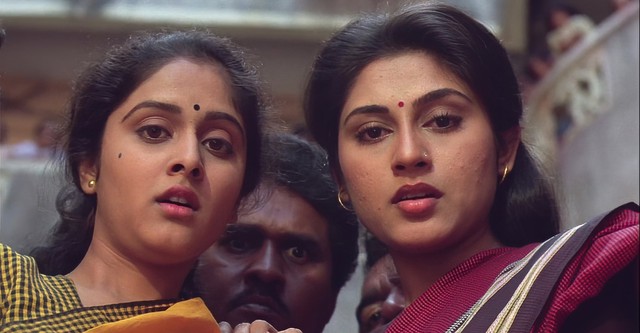
In the enchanting realm of Indian cinema, where tales of passion and grandeur often reign supreme, there exist rare gems that transcend mere entertainment, urging audiences to introspect and challenge the societal fabric. Basu Chatterjee‘s timeless creation, “Kamla Ki Maut,” unveiled its profound narrative in 1989, weaving together a captivating commentary on sexism, premarital sex, love affairs, fears, and regrets. This thought-provoking drama ventures into the lives of characters haunted by their choices, while deftly drawing a parallel between the consequences endured by both men and women when their romantic entanglements go astray. Through the tragic tale of Kamla and the contemplative musings of her neighbours, Chatterjee invites us to unravel the intricate tapestry of human existence, weighed down by societal expectations.
The Plight of Kamla and the Struggles of Women:
At the heart of “Kamla Ki Maut” lies the heart-wrenching tale of Kamla, a young woman who, tormented by societal pressures, tragically ends her own life after finding herself pregnant out of wedlock and abandoned by her lover. Kamla’s story serves as an evocative reminder of the persistent injustices and prejudices that women continue to face in society’s unforgiving gaze. Chatterjee’s masterful portrayal pierces through our consciousness, illuminating the stark reality that women bear the weight of society’s expectations and endure the harshest consequences for their choices. It compels us to question the prevailing sexism that perpetuates the unequal treatment of men and women in matters of love and sexuality.
Unveiling the Hypocrisy: Pre-Marital Sex and Societal Judgment:
With unwavering courage, Chatterjee confronts the societal taboo of premarital sex in “Kamla Ki Maut.” The film ventures into the lives of Kamla, her neighbours Sudhakar and Nirmala, and their two daughters, Charu and Geeta, to shed light on the repercussions of societal judgment and hypocrisy. It lays bare the stark disparities and divergent expectations imposed upon men and women when navigating the labyrinth of love affairs. While society often celebrates men for their romantic escapades, women find themselves ensnared in a web of condemnation and social ostracism. Through its unflinching gaze, the film impels us to question the double standards ingrained within society, advocating for an equitable and empathetic world.
Love Affairs and the Complexity of Human Relationships:
The film deftly explores the intricacies and fragility of love affairs, revealing the complexities inherent in human relationships. As Kamla’s neighbors reflect on their own lives, Sudhakar and Nirmala confront the mistakes they have made, highlighting the profound impact of their past love affairs. Chatterjee captures the raw emotions and regrets that arise when the suppressed emotions get triggered because of the recent events, showcasing the vulnerabilities of human nature.
Living with Fears and Regrets: A Universal Human Experience:
At its core, “Kamla Ki Maut” resonates deeply with audiences by exploring the human condition, particularly the immense weight of fears and regrets that individuals carry. Sudhakar and Nirmala’s daughters, Charu and Geeta, empathize with Kamla’s plight, allowing the audience to intimately experience the fear and vulnerability of being a woman in a judgmental society. The film serves as a poignant reminder that fears and regrets transcend gender and social boundaries, speaking to the universal nature of these profound human experiences. It compels us to embark upon introspection, contemplating our own missteps and embracing the lessons they hold.
In conclusion, I would say, Basu Chatterjee’s magnum opus, “Kamla Ki Maut,” transcends the boundaries of cinema to become a profound tapestry of reflection on sexism, premarital sex, love affairs, fears, and regrets. Through the tragic tale of Kamla and the introspection of her neighbours, the film stands as a resolute challenge to societal norms, urging us to recognize and rectify the injustices endured by women. By drawing a parallel between the consequences faced by both men and women in the tumultuous realm of love affairs, it underscores the shared experiences of vulnerability and regrets that bind us together. “Kamla Ki Maut” serves as a poignant reminder that empathy, compassion, and understanding hold the keys to creating a more just and inclusive society, where everyone can love and live without fear or regret.

 World of Shubhika
Leave a comment